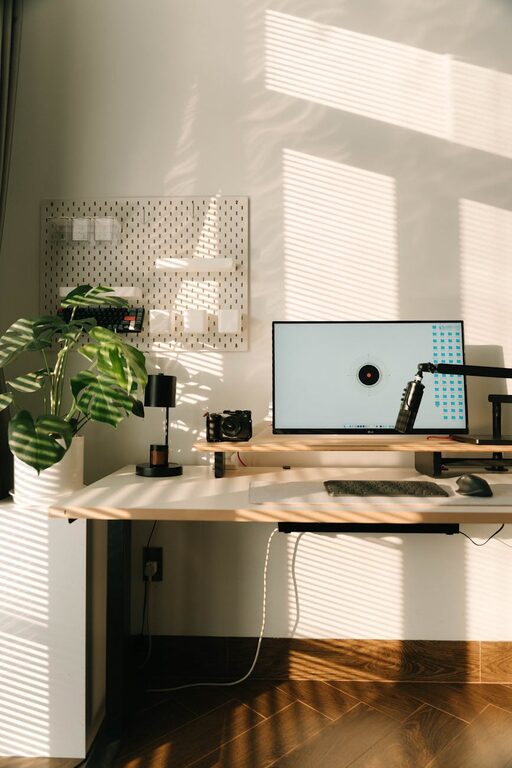
Creating a relaxing home workspace is essential for anyone looking to boost productivity while maintaining comfort. With more people working remotely, having a dedicated area that encourages focus without causing stress can make a significant difference in your daily routine. In this post, we’ll explore practical tips to help you set up a home workspace that feels inviting, helps reduce distractions, and supports your productivity goals.
Why a Relaxing Workspace Matters
Your workspace environment directly impacts your mood and efficiency. A cluttered or uncomfortable area can lead to distractions and fatigue, while a well-organized, calming space helps keep your mind clear and motivated. Designing a workspace that combines comfort and functionality lets you work longer and with better focus.
Choosing the Right Location
Find a Quiet Spot
Select a part of your home that is quiet and has minimal foot traffic. This helps reduce interruptions and noise, making it easier to concentrate.
Utilize Natural Light
If possible, set up your workspace near a window. Natural light improves mood and energy levels. Avoid direct glare on screens by adjusting the position of your desk or using sheer curtains.
Ergonomic and Comfortable Furniture
Invest in a Good Chair
A supportive chair that encourages good posture is crucial. This will help prevent back pain and keep you comfortable during long work sessions.
Choose the Right Desk Height
Your desk should allow you to sit with your feet flat on the floor, elbows at approximately 90 degrees, and wrists straight while typing.
Add Comfortable Accessories
Consider a footrest, wrist supports, or an adjustable monitor stand to keep your body comfortable and reduce strain.
Organize and Declutter
Keep Only Essentials on Your Desk
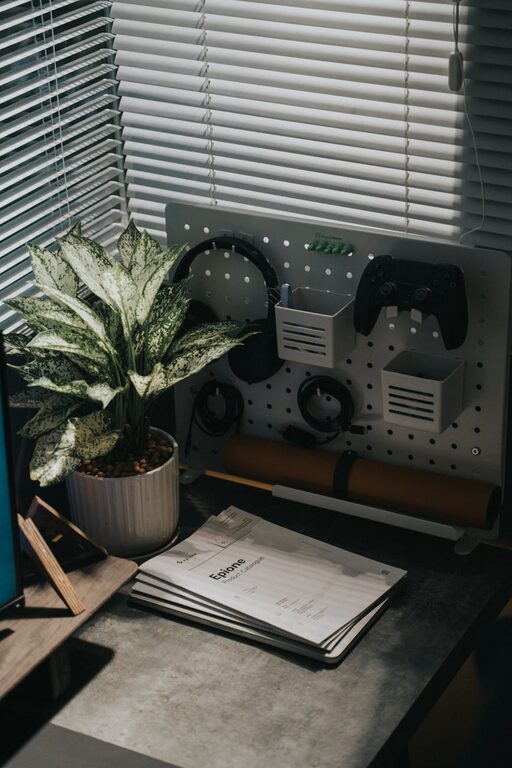
Limit items on your desk to what you use daily. Clutter distracts the mind, so put away supplies, papers, and gadgets when not needed.
Use Storage Solutions
Shelves, drawers, and organizers help keep your space tidy. Label storage bins or files to easily find what you need.
Incorporate Calming Elements
Add Plants
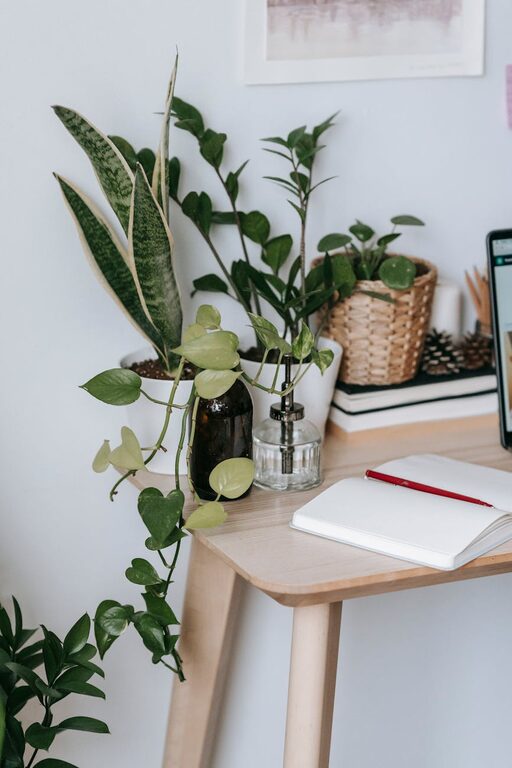
Indoor plants improve air quality and add a relaxing touch to your workspace. Choose low-maintenance varieties like succulents or pothos.
Use Soothing Colors
Soft, neutral tones such as light blues, greens, or pastels promote calmness. You can incorporate these through wall paint, decor, or office accessories.
Include Personal Touches
Photos, art, or meaningful decorations can make your space feel inviting without overcrowding it.
Manage Noise and Distractions
Use Noise-Canceling Headphones
If noise is an issue, headphones can help block background sounds and improve focus.
Play Background Music or White Noise
Some people find soft music or white noise helpful for concentration. Choose sounds that are not too stimulating.
Optimize Lighting
Combine Natural and Artificial Lighting
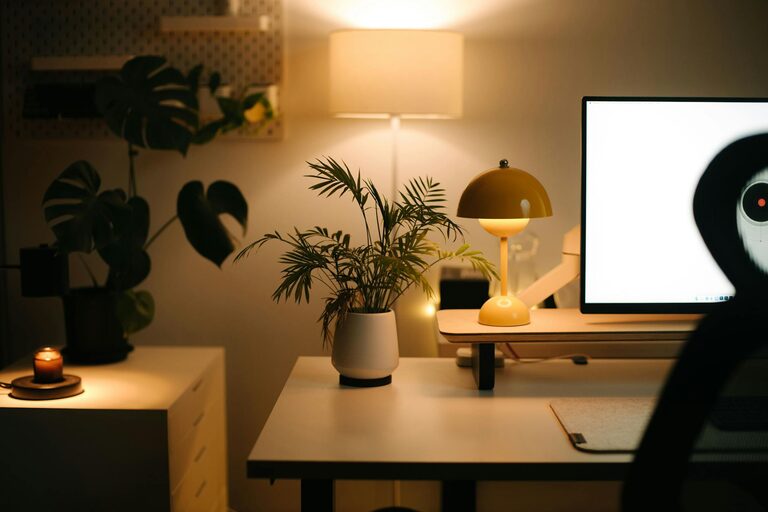
In addition to natural light, use adjustable lamps that don’t cause glare or harsh shadows.
Consider Warm Light Bulbs
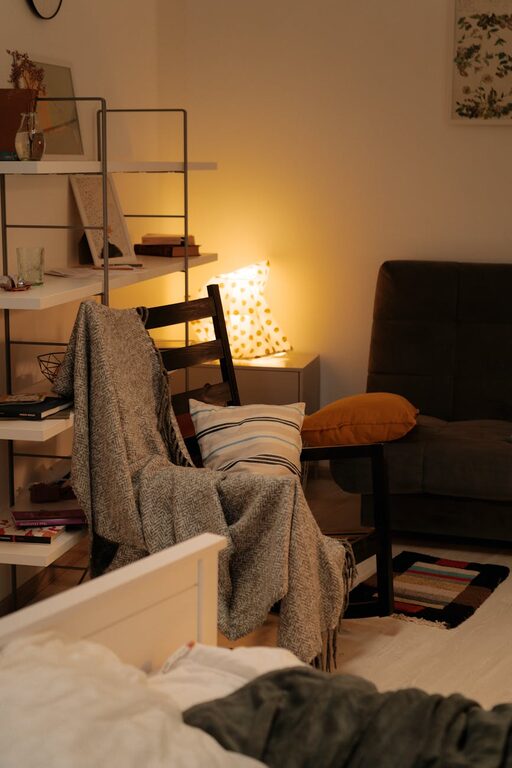
Warm white bulbs create a cozy atmosphere compared to harsh fluorescent lighting.
Maintain Good Air Quality and Temperature
Ventilate Your Workspace
Open windows when possible, or use fans to circulate air and keep the room fresh.
Control Temperature
Keep your workspace at a comfortable temperature—too hot or too cold can affect your focus.
Establish Boundaries and Routine
Define Work Hours
Having clear work times helps your brain switch between work and relaxation mode.
Take Regular Breaks
Use breaks to stretch or step outside, reducing stress and preventing burnout.
—
Creating a relaxing home workspace is about balancing comfort, organization, and quiet focus. With a few thoughtful changes, your home office can become a place where productivity naturally thrives. Start small by decluttering your desk or adding a plant, and gradually fine-tune your space to suit your work style and needs. The more inviting and comfortable your workspace, the easier it becomes to stay motivated and productive all day long.