Creating a home office that is both cozy and productive can make a significant difference in your daily work experience. Whether you work remotely full-time or occasionally need a dedicated space for your tasks, designing a comfortable and efficient home office is essential. This guide provides helpful tips to help you build a space where you feel motivated and relaxed at the same time.
Choose the Right Location
Finding the ideal spot for your home office is the first step toward creating a productive environment. Consider these factors when selecting your office location:
– Natural light: A space near a window offers natural daylight, which can increase alertness and improve your mood.
– Quiet: Look for a corner or room with minimal noise distractions to help you focus.
– Space: Ensure there is enough room for your desk, chair, and any equipment you need, like a printer or bookshelf.
If dedicated rooms are not available, consider dividing a larger room with a room divider or screen to create a defined workspace.
Invest in Comfortable and Functional Furniture
Your furniture plays a vital role in your comfort and productivity. Here’s what to keep in mind:
– Ergonomic chair: Invest in a chair with proper back support and adjustable settings to maintain good posture during long work hours.
– Desk: Choose a desk that fits your needs—consider standing desks or desks with adjustable heights if you want to switch between sitting and standing.
– Storage solutions: Use shelves, drawers, and organizers to keep your workspace tidy and clutter-free.
Remember, the right furniture supports healthy work habits and reduces physical strain.
Optimize Lighting
Good lighting reduces eye strain and creates a pleasant atmosphere. Try these tips:
– Use a combination of natural and artificial lighting. Position your desk near a window to take advantage of daylight.
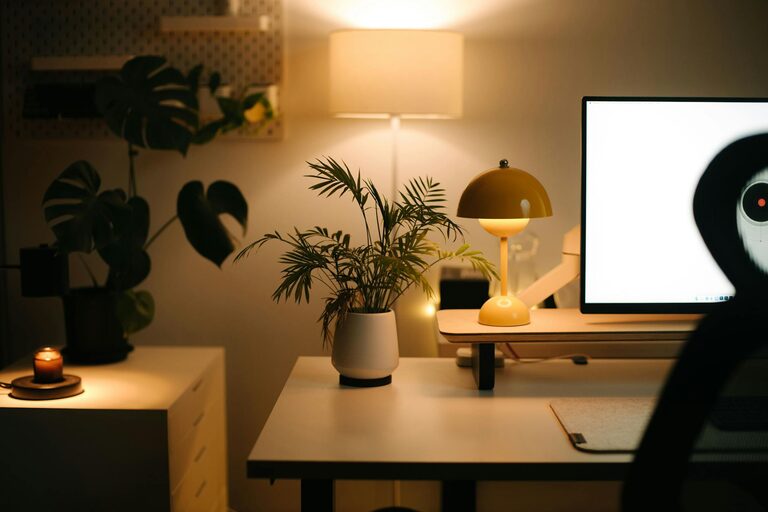
– Add task lighting, like a desk lamp with adjustable brightness, to focus light where you need it.
– Avoid glare on your computer screen by angling your desk or using blinds to control sunlight.
Soft, warm lighting can make your office feel more inviting and comfortable.
Personalize Your Space
Adding personal touches can make your workspace more enjoyable:
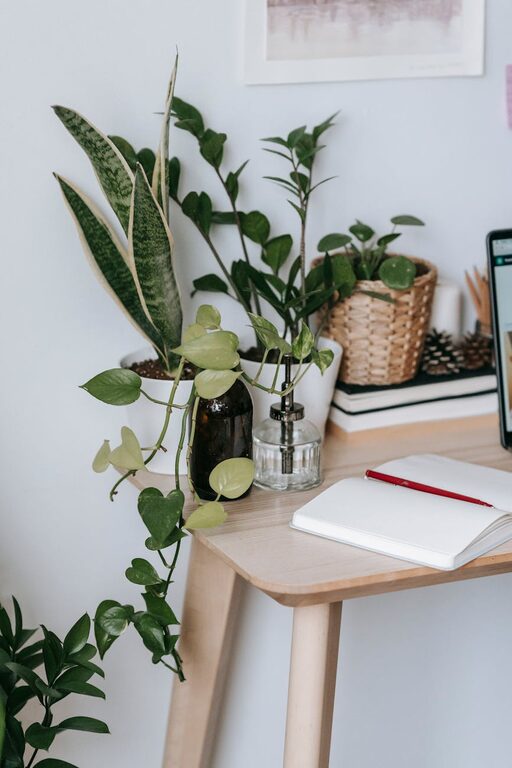
– Decorate with plants to improve air quality and add a touch of nature.
– Hang artwork or photos that inspire and motivate you.
– Use calming colors, such as soft blues or greens, which can enhance focus and calmness.
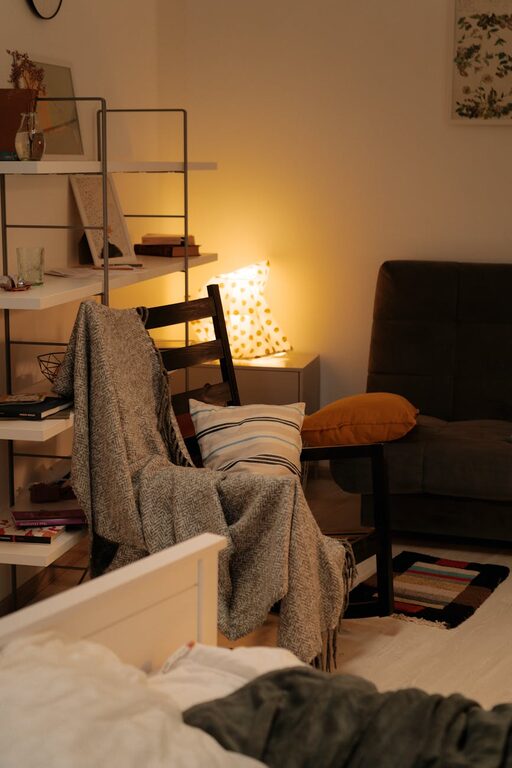
– Keep a cozy throw blanket or a cushion on your chair for added comfort.
Personalization helps boost creativity and makes your office feel like your own space.
Organize to Maximize Efficiency
A cluttered desk can distract you and slow down work. Here are some organizational strategies:
– Declutter regularly by removing items you don’t need.
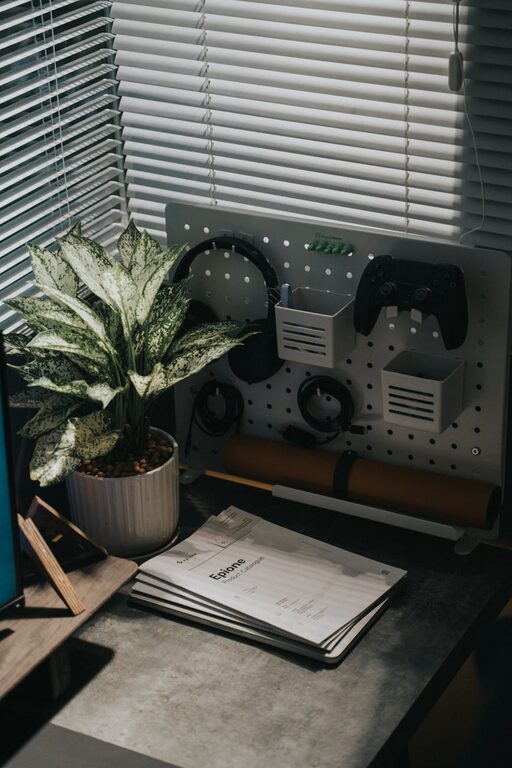
– Use desk organizers, trays, or containers to group supplies.
– Employ cable management solutions to keep cords neat and untangled.
– Set up a filing system for important documents, whether digital or physical.
An organized workspace saves time and helps maintain mental clarity.
Manage Technology and Tools
Ensure your technology supports your workflow:
– Position your computer monitor at eye level to prevent neck strain.
– Use a separate keyboard and mouse if you work on a laptop for better ergonomics.
– Have reliable internet access; consider a wired connection for stability if possible.
– Keep essential tools within reach but avoid crowding your desk.
Regularly update software and back up your work to avoid interruptions.
Incorporate Break Areas and Movement
Even in a small home office, building in moments to move and rest is vital:
– Take short breaks to stretch or walk around every hour.
– Consider a small corner with a comfortable chair or cushions for reading or relaxation.
– Use movement reminders or apps to prompt you to stand or stretch.
Movement can reduce fatigue and refresh your mind throughout the day.
Set Boundaries and Maintain Routine
Working from home can blur the lines between professional and personal life. Help maintain a healthy balance by:
– Defining your work hours and communicating them with family or housemates.
– Using your designated office space only for work, if possible, to separate work from leisure.
– Dressing for work to mentally prepare for the day.
– Ending your day with a routine like shutting down your computer and tidying your desk.
Clear boundaries help prevent burnout and keep you focused during work hours.
Final Thoughts
Creating a cozy and productive home office space is about balancing comfort with efficiency. By carefully selecting your location, furnishing your space with care, optimizing lighting, and personalizing your environment, you can build a workspace that supports your well-being and enhances your work performance. Remember, small changes can make a big difference in how you feel and work each day.
Start with a few adjustments today, and enjoy the benefits of a home office designed with both comfort and productivity in mind.